Aristotle's IQ: 190
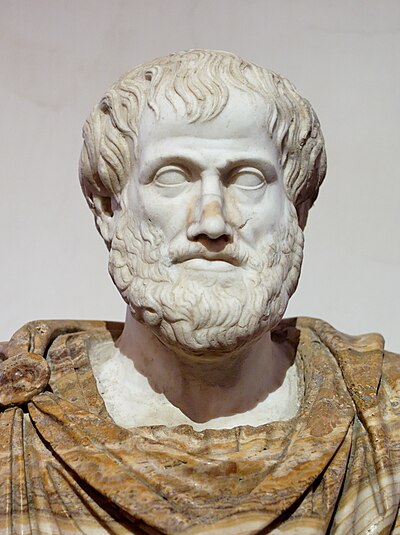
Estimated IQ
190
Known For
Logic, biology, ethics, politics, metaphysics — the first systematic scientist
About Aristotle
Aristotle was the first systematic thinker in Western history, creating formal frameworks for logic, biology, physics, ethics, politics, rhetoric, and literary criticism — essentially founding or significantly shaping every intellectual discipline he touched. He was tutored by Plato and later tutored Alexander the Great, positioning him at the intellectual center of two of antiquity's most consequential minds. His system of formal logic (syllogistic reasoning) dominated Western thought for 2,000 years until the development of modern symbolic logic. His biological classifications were so accurate that Charles Darwin expressed amazement at how far Aristotle had progressed without modern equipment.
What an IQ of 190 Means
An IQ of 190 for Aristotle reflects the extraordinary scope and precision of his intellectual achievements — creating new fields of inquiry from scratch, systematizing observation into classification schemes, and building logical frameworks that would not be surpassed for two millennia. Charles Darwin, who himself revolutionized biology, said of Aristotle: 'Linnaeus and Cuvier have been my two gods, though in very different ways, but they were mere schoolboys to old Aristotle.' This assessment from Darwin provides a strong anchor for a very high estimated IQ.
How Aristotle Compares
To understand where this falls on the IQ scale, see our complete IQ score ranges guide, or learn what IQ actually measures.
Famous IQ Comparison
| Person | Estimated IQ | Known For |
|---|---|---|
| Aristotle | 190 | Logic, biology, ethics, politics, metaphysics — the first systematic scientist |
| Julius Caesar | 148 | Roman general, dictator, writer, political reformer |
| Socrates | 155 | Socratic method, father of Western philosophy |
| Michelangelo | 180 | Sistine Chapel ceiling, David, Pieta, architect of St. Peter's Basilica |
| Ludwig van Beethoven | 165 | Nine symphonies, Moonlight Sonata, composed deaf |
| Voltaire | 190 | Candide, advocate for civil liberties, Enlightenment philosopher |
| William Shakespeare | 210 | Greatest playwright in English literature, poet |
See the complete famous IQ list or check what an IQ of 190 means.
Where This Estimate Comes From
- Speculative retroactive estimates based on the breadth of his surviving works across logic, biology, and ethics
- His two decades of study at Plato's Academy are documented in ancient sources
- Never tested; predates IQ testing by over two millennia
Estimate disclaimer: Aristotle's IQ figure is a speculative estimate compiled from public sources, not a verified test result. See how we compile these estimates.
Frequently Asked Questions
What was Aristotle's IQ?
Aristotle's IQ is estimated at around 190, reflecting his extraordinary achievements across logic, biology, ethics, politics, physics, and literary criticism — fields he either founded or systematized from scratch. Charles Darwin credited Aristotle as a greater biologist than Linnaeus and Cuvier, calling them 'mere schoolboys' in comparison. This scope and depth of achievement suggests exceptional cognitive ability across multiple domains.
How accurate was Aristotle's biology?
Remarkably accurate for someone working without microscopes or modern tools. Aristotle correctly identified the dolphin as a mammal (which medieval scholars later incorrectly classified as a fish), accurately described the embryonic development of the chick, and classified marine animals with a sophistication that impressed Darwin 2,000 years later. His errors — he believed the heart was the seat of intelligence and the brain was a cooling device — were reasonable given his observational methods.
How did Aristotle's logic influence Western thought?
Aristotle's system of syllogistic logic — which formalizes how valid conclusions can be drawn from premises — was the dominant framework for logical reasoning in Europe and the Islamic world for approximately 2,000 years. Medieval universities taught 'the Philosopher' (Aristotle's title) as the foundation of all knowledge. Even when Aristotle's conclusions were wrong, his method of systematic argumentation from premises shaped how educated people everywhere thought about reasoning, evidence, and proof.
More Historical Figures Figures
Explore More Famous IQs
Take our free IQ test to discover your own score, or explore what an IQ of 190 means.
MyIQScores Editorial Team
Researchers in cognitive psychology, psychometrics & educational science
Last updated
May 10, 2026
All content on MyIQScores is reviewed for scientific accuracy against peer-reviewed research in cognitive psychology and psychometrics. Our editorial team cross-references each article with published literature before publication and updates pages whenever new research warrants a revision.